IS GREEN THE NEW GRAY?
Jonathan Anderson’s Dior AW 26/27 show replaces the brand’s emblematic gray with green
Olive, lime, pea, and sage don’t just belong in the kitchen, at least according to Jonathan W. Anderson, creative director of Dior. During the February 2026 Paris fashion week to showcase the Autumn Winter 2026 - 2027 collection, an overwhelming representation of green-colored pieces found their way into the French fashion house’s lineup; from the looks on the runway, to the show’s invitations and production design, it appears that a green chapter is being written at Dior.
WHAT IS DIOR GRAY?
Before we get into Anderson green, it’s important to understand what gray means to Dior (the person and the brand). Christian Dior has famously said that, “my childhood home was rendered in a very soft pink, combined with gray gravel, and these two shades have remained my favorite colors in couture.” Beyond the fashion, gray has been represented in the packaging, beauty, and branded materials of Dior since its doors opened at 30 Montaigne. In short, Montaigne gray (as it is colloquially referred to) is central to the iconography of the atelier. It is a vital heartbeat for the brand, something that, despite the fact that many creative directors have passed through the maison, makes Dior collections feel unified and consistent.
ANDERSON GREEN: A NEW CHAPTER
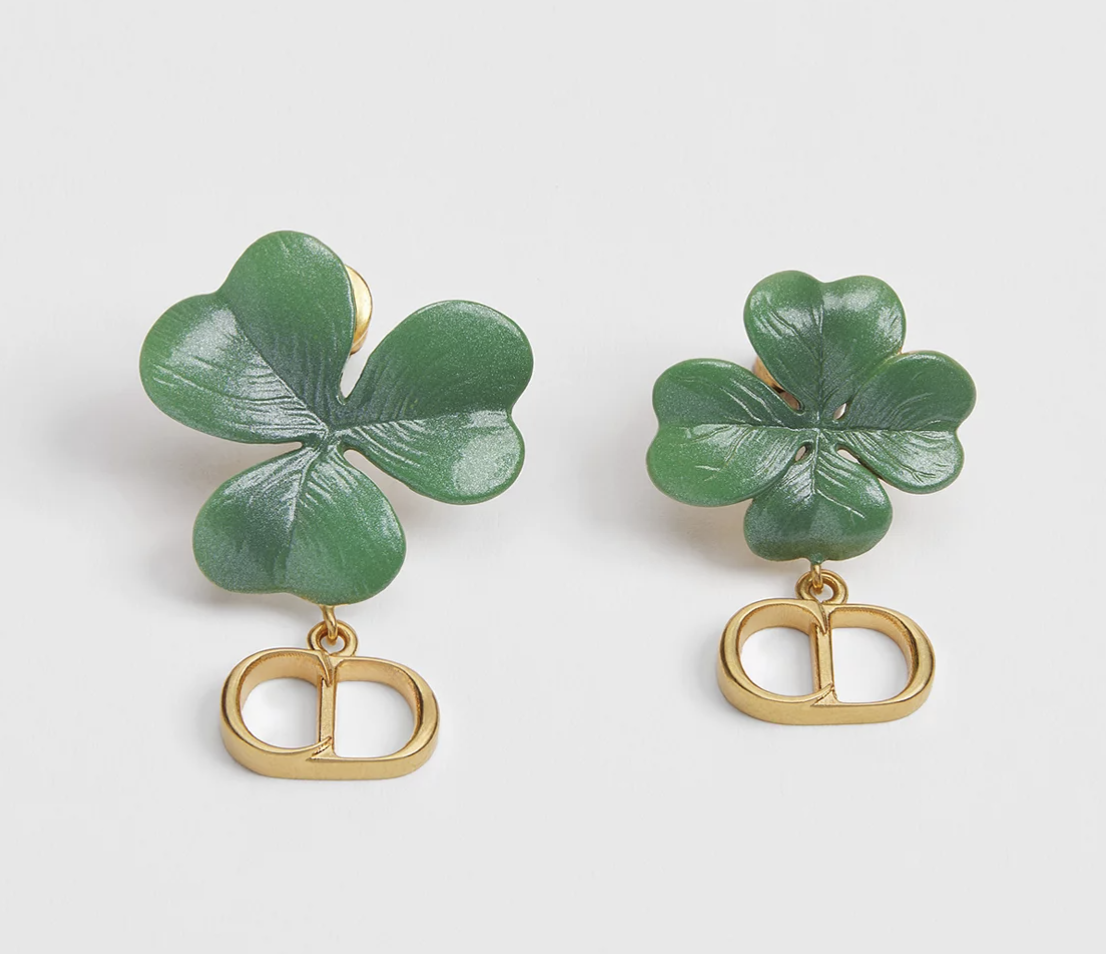
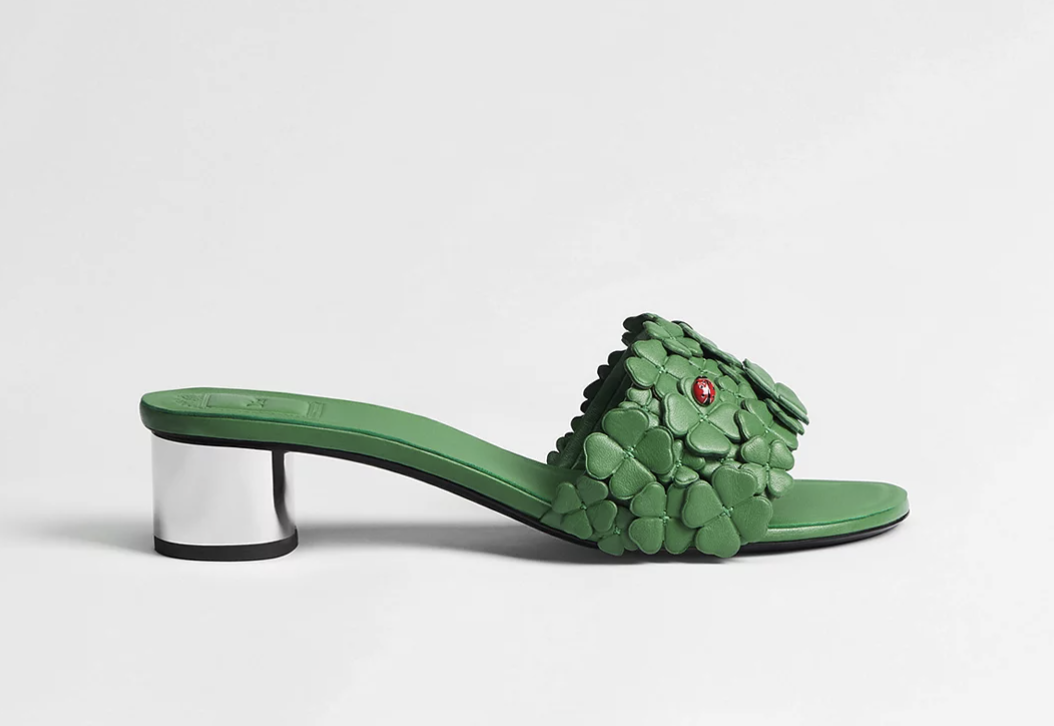
Hailing from lush Ireland, Mr. Anderson has not shied away from his Gaelic heritage as he presented his first product line at Dior. Emerald-shaded clovers have found their way onto handbags, clothing, accessories, jewelry, and footwear. A close follower of Dior might point out how fitting this new emblem is for the maison; Christian Dior himself was a very superstitious man, which can be seen in the company’s most famous motif: the lucky star. The clover, another auspicious symbol, is the perfect addition to the house, which fuses JW Anderson’s personal Irish heritage with the brand’s adoration of a lucky charm. Below are some of the pieces that have laid the foundation for the green era that has continued into Anderson’s Dior AW 26/27 show.
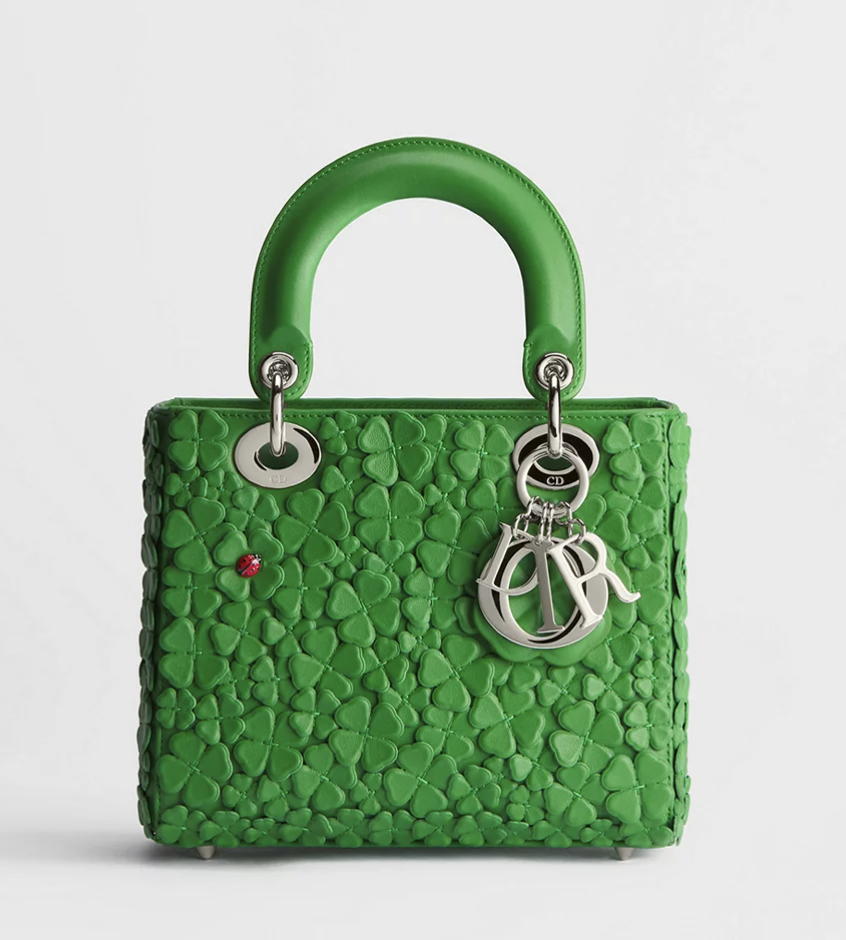
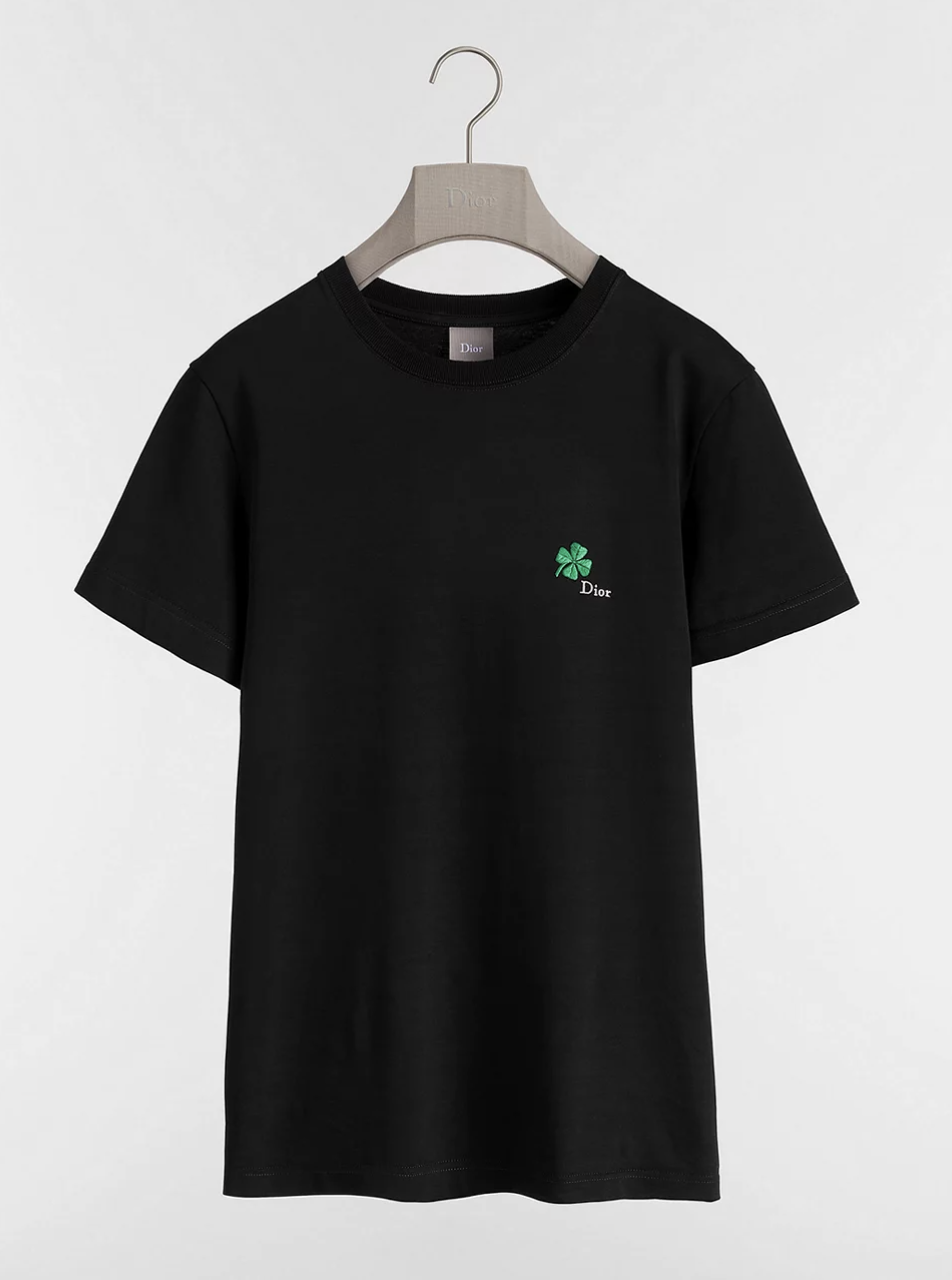
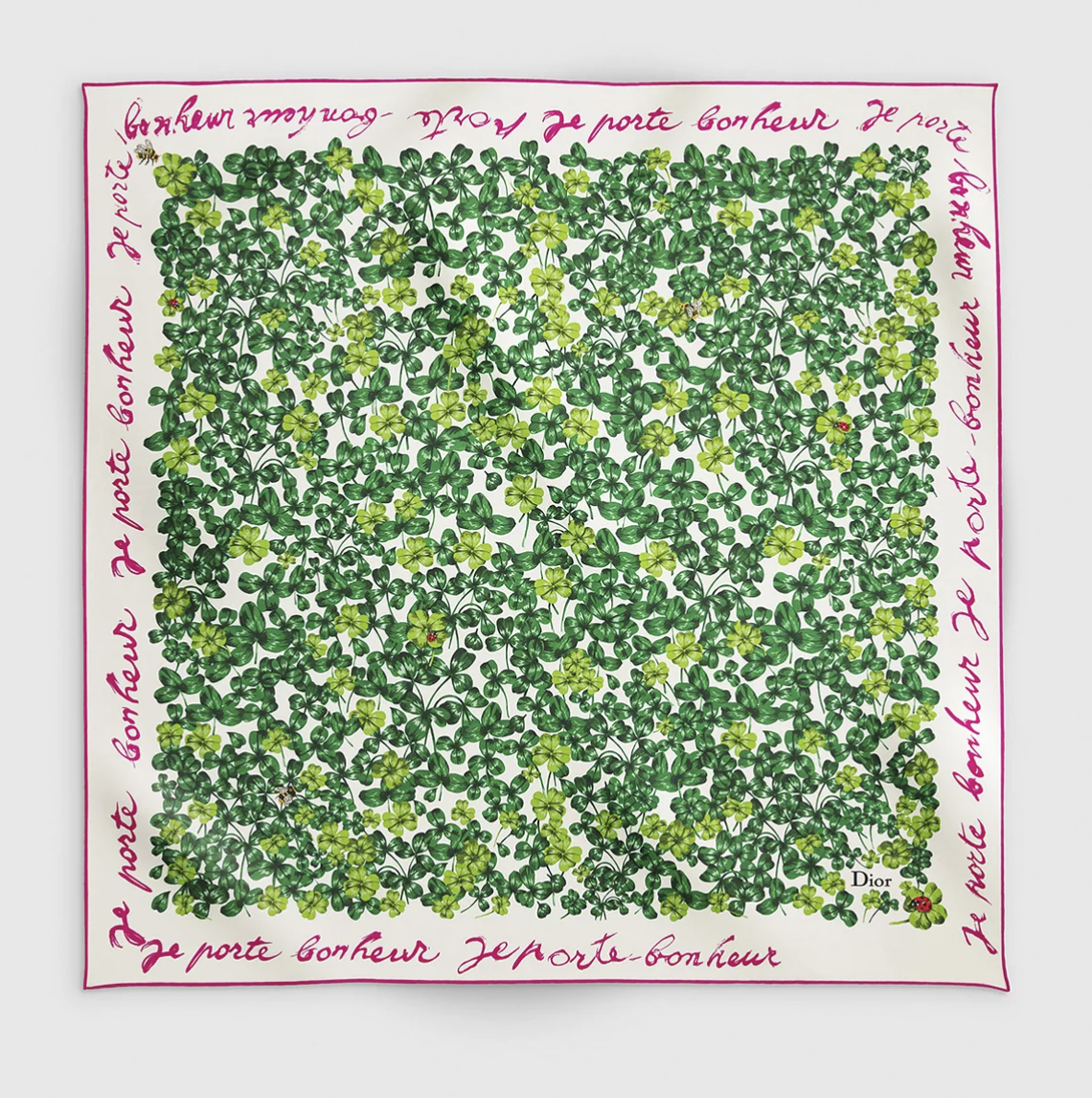
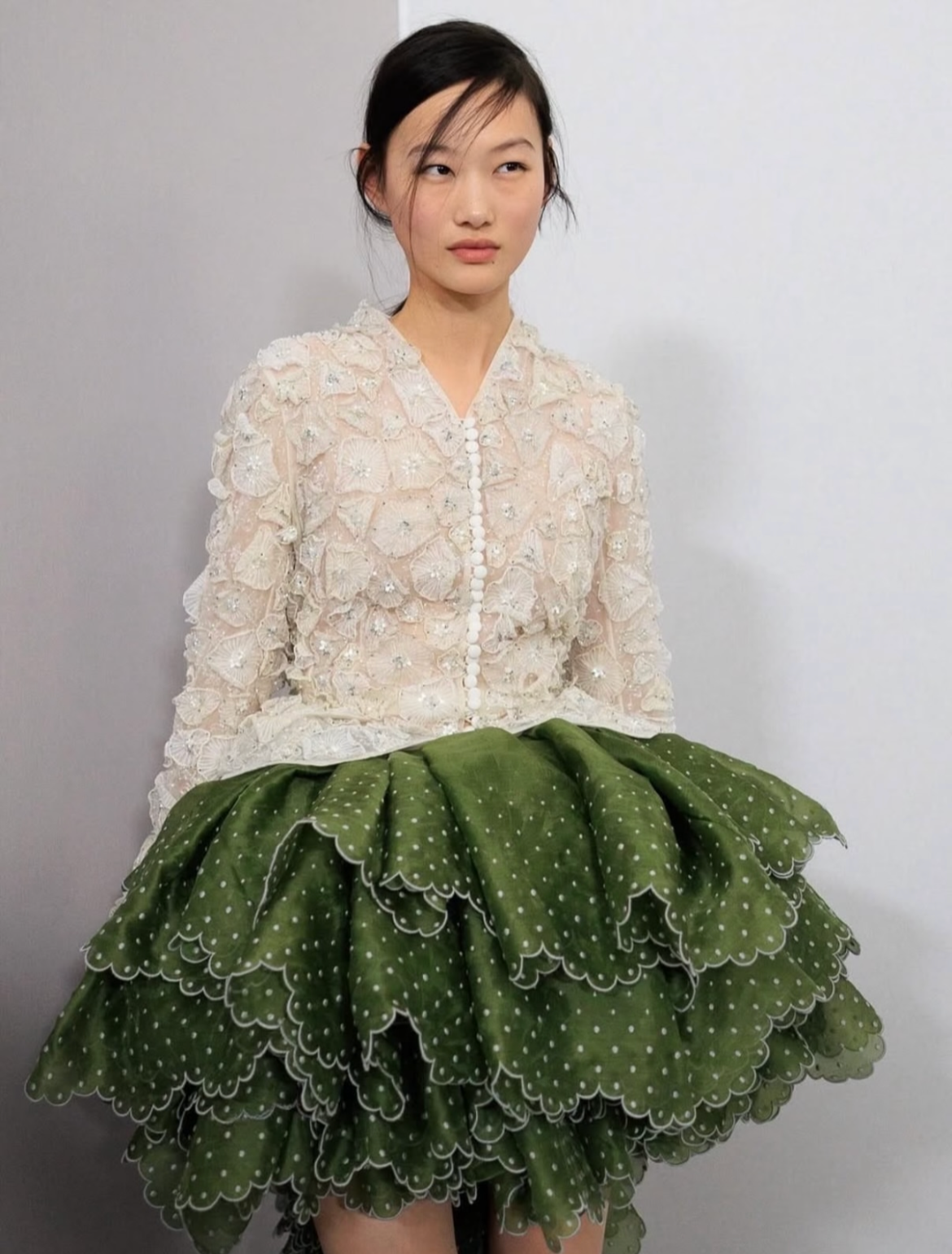
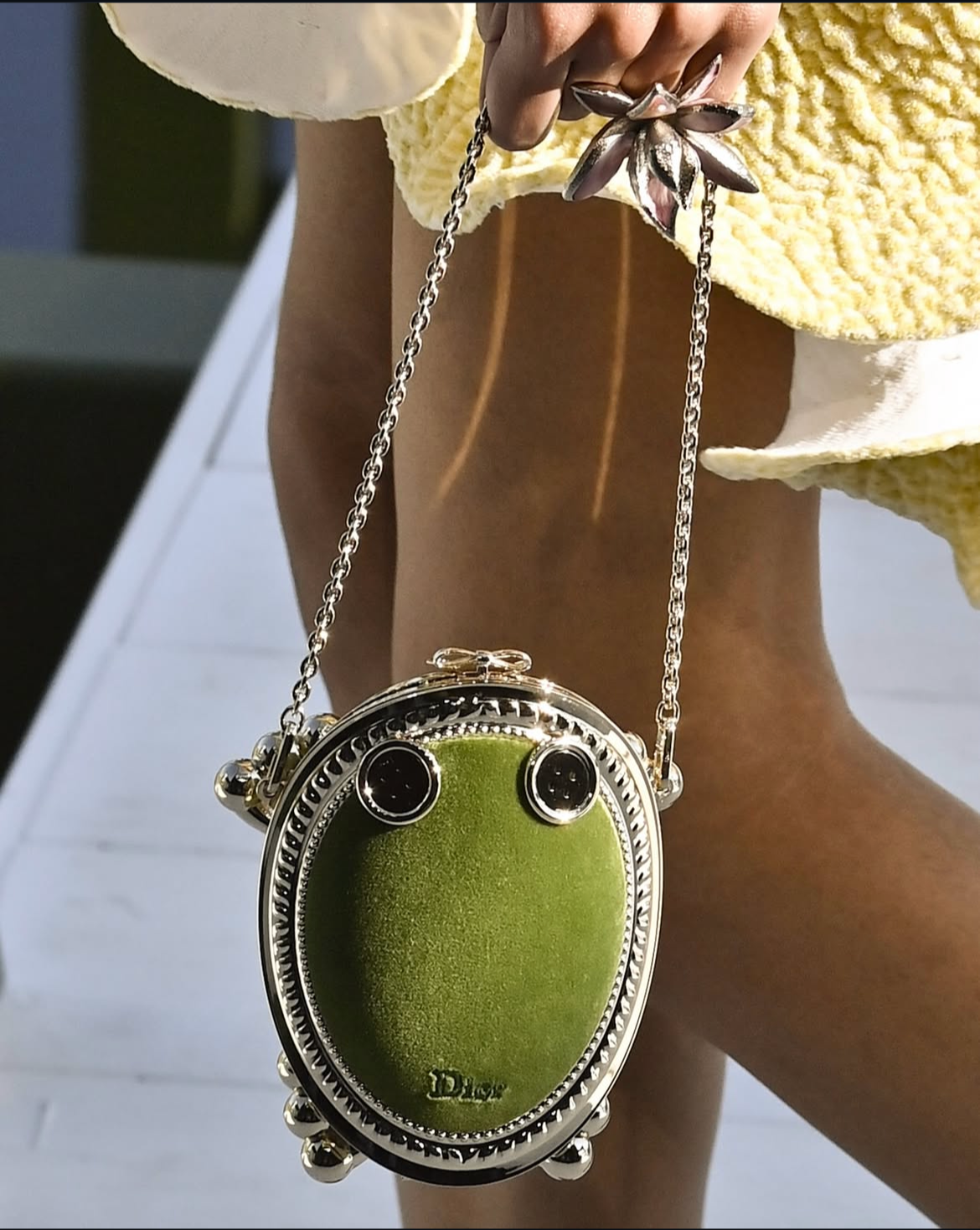
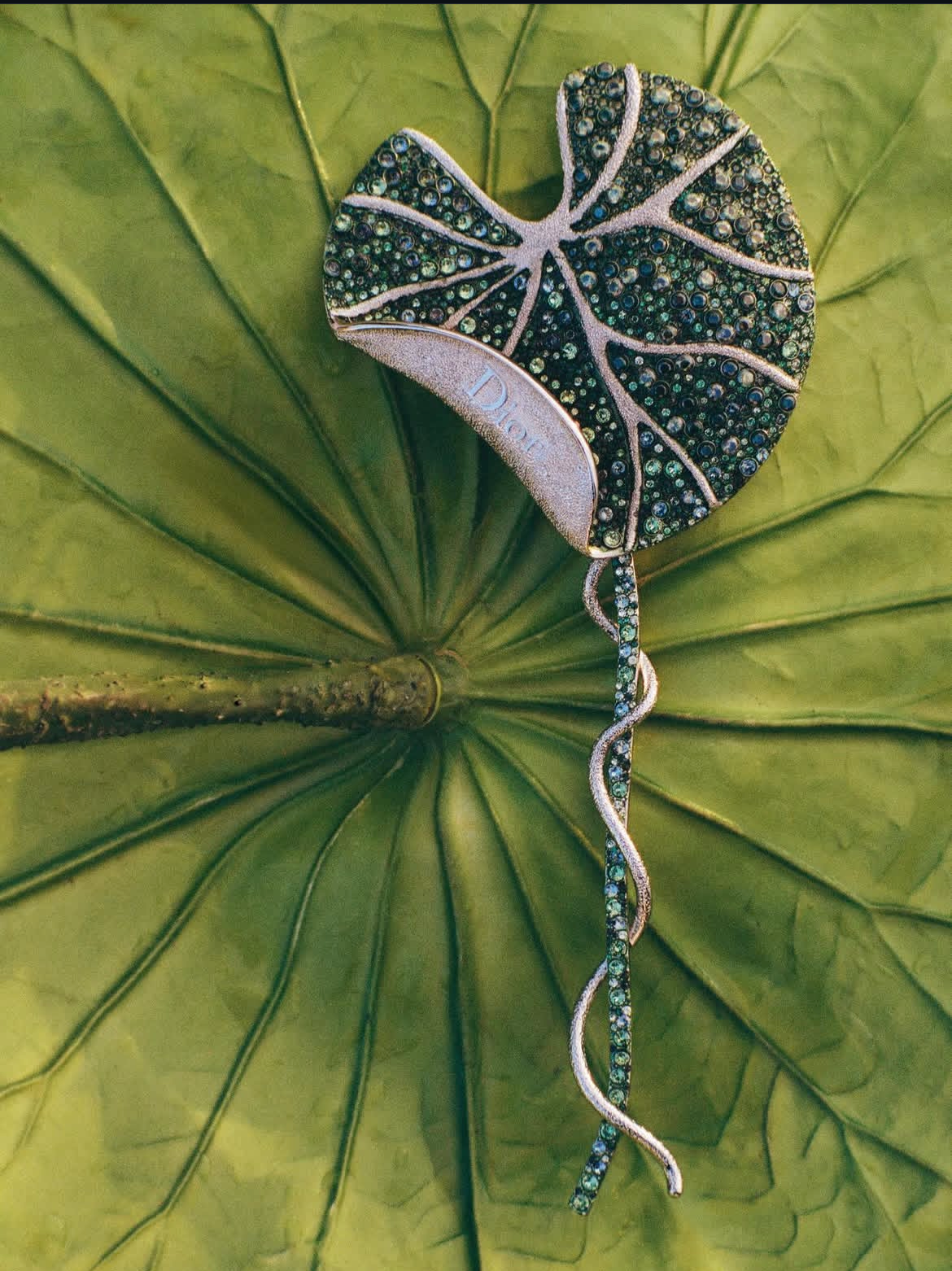
As the seasons transition into the cooler months, so too do the shades of green on the Dior catwalk. In contrast to the perky shades above, the AW 26/27 hues are more muted, earthy, and textural. Similarly, however, green pieces exist in many categories: handbags, jewelry, clothing, etc. Below are some of the showstopping pieces from the show.
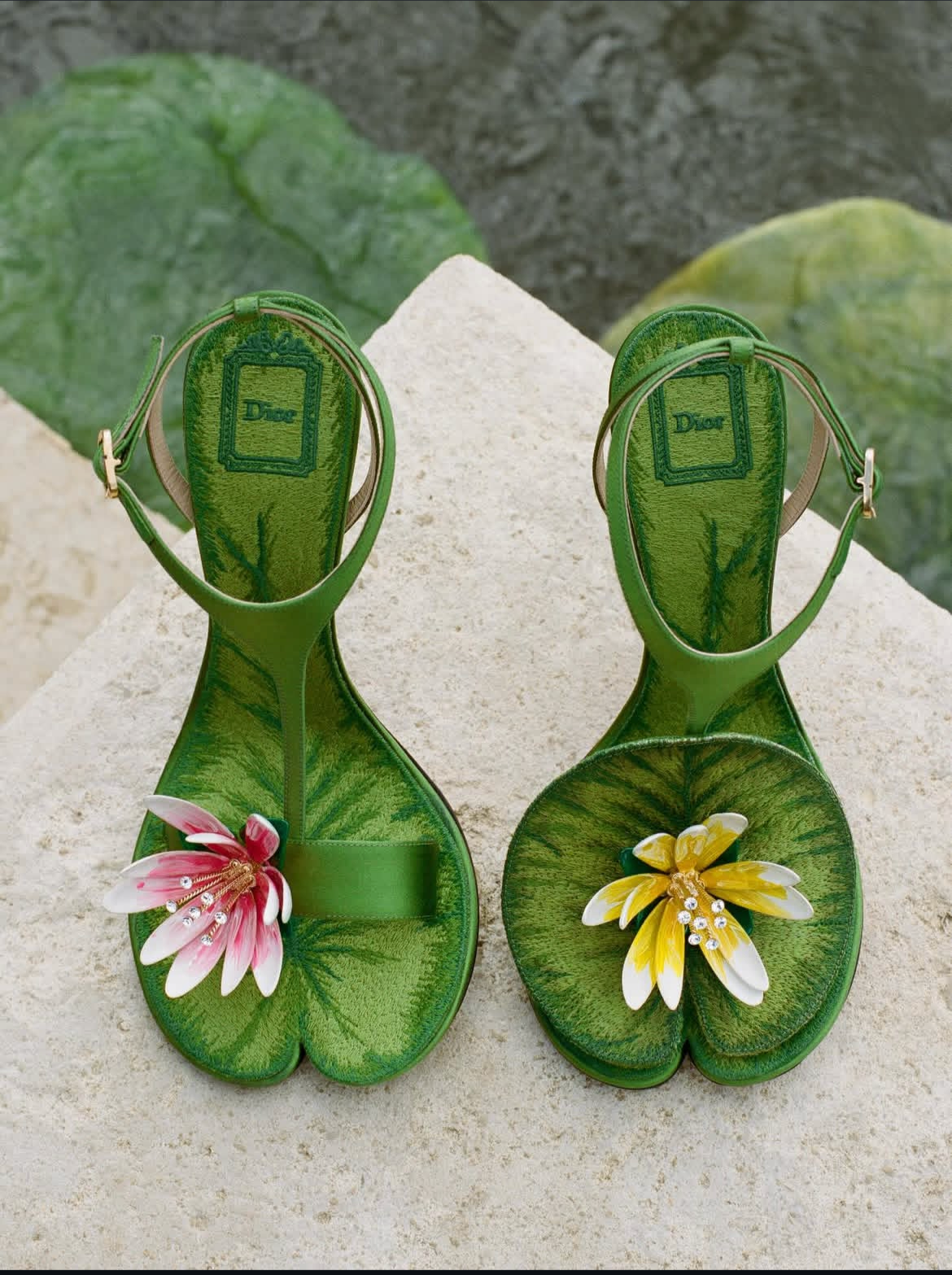
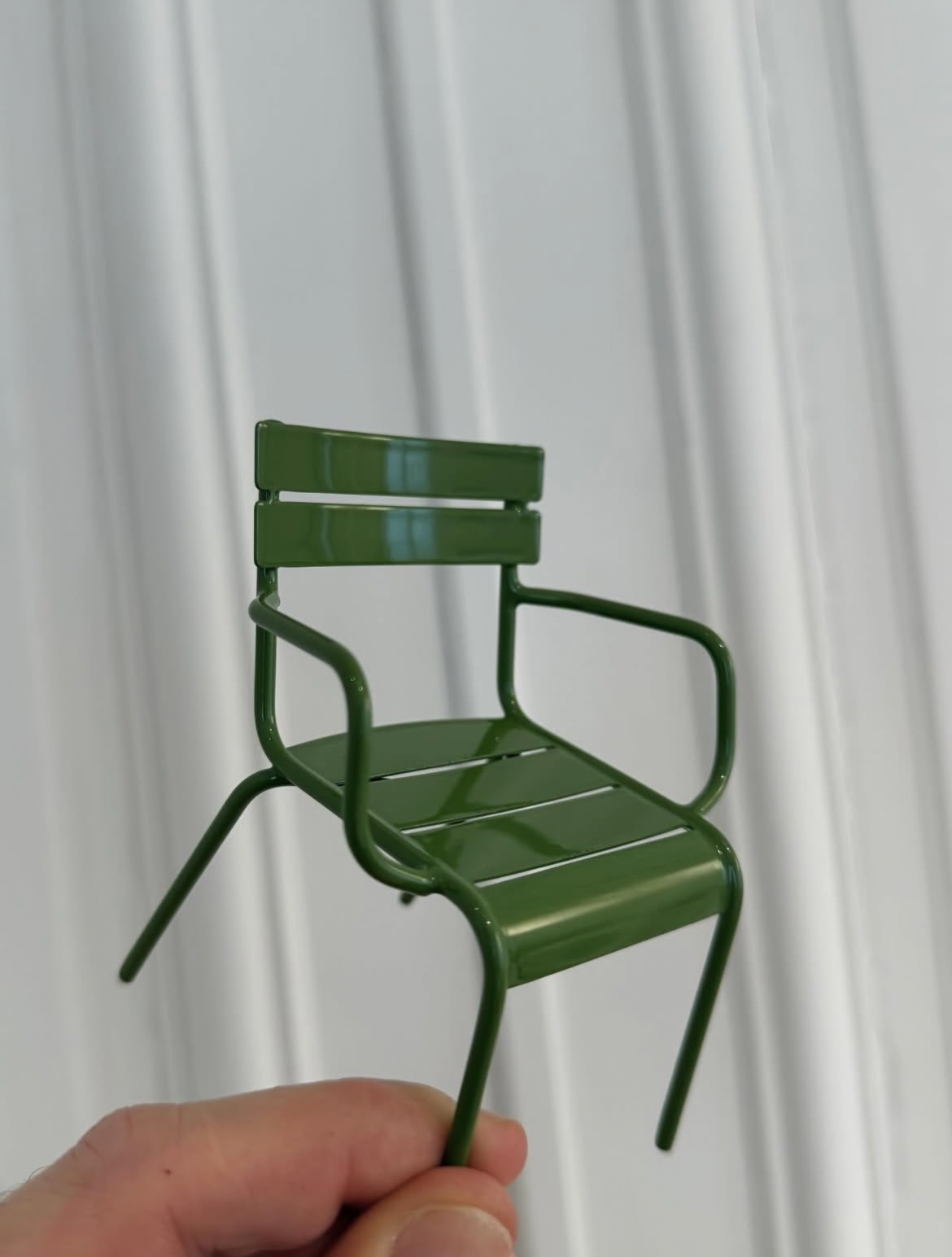
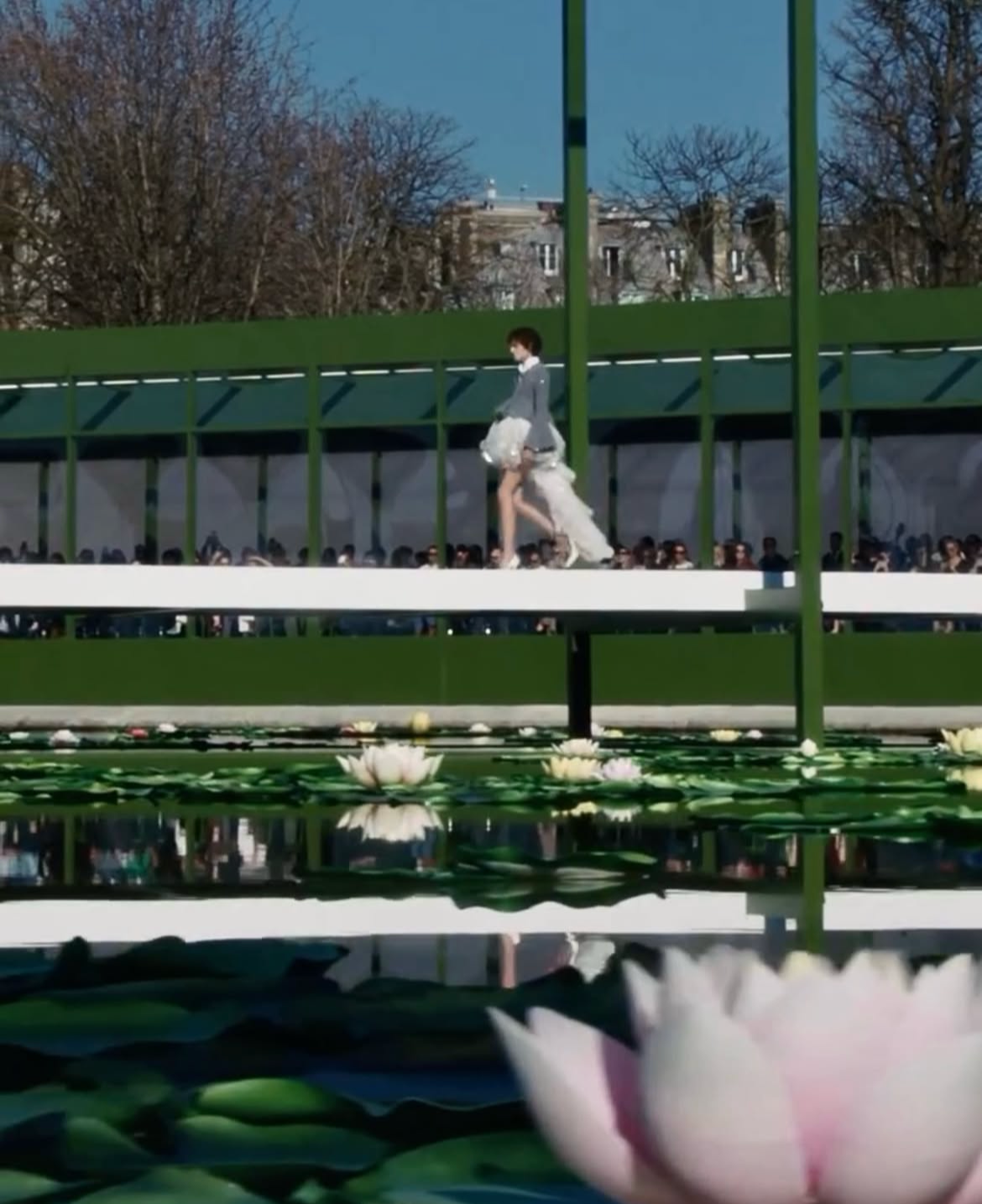
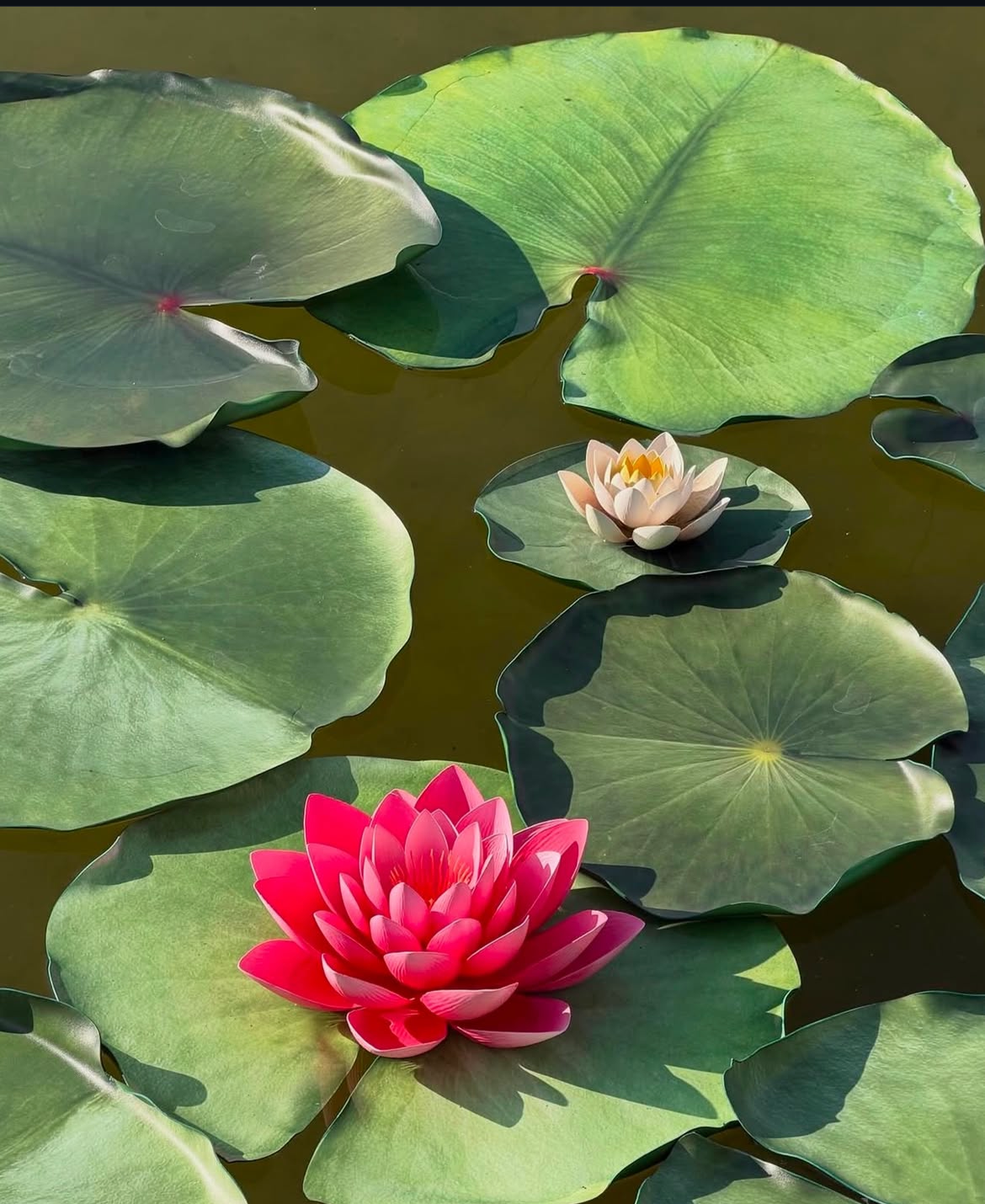
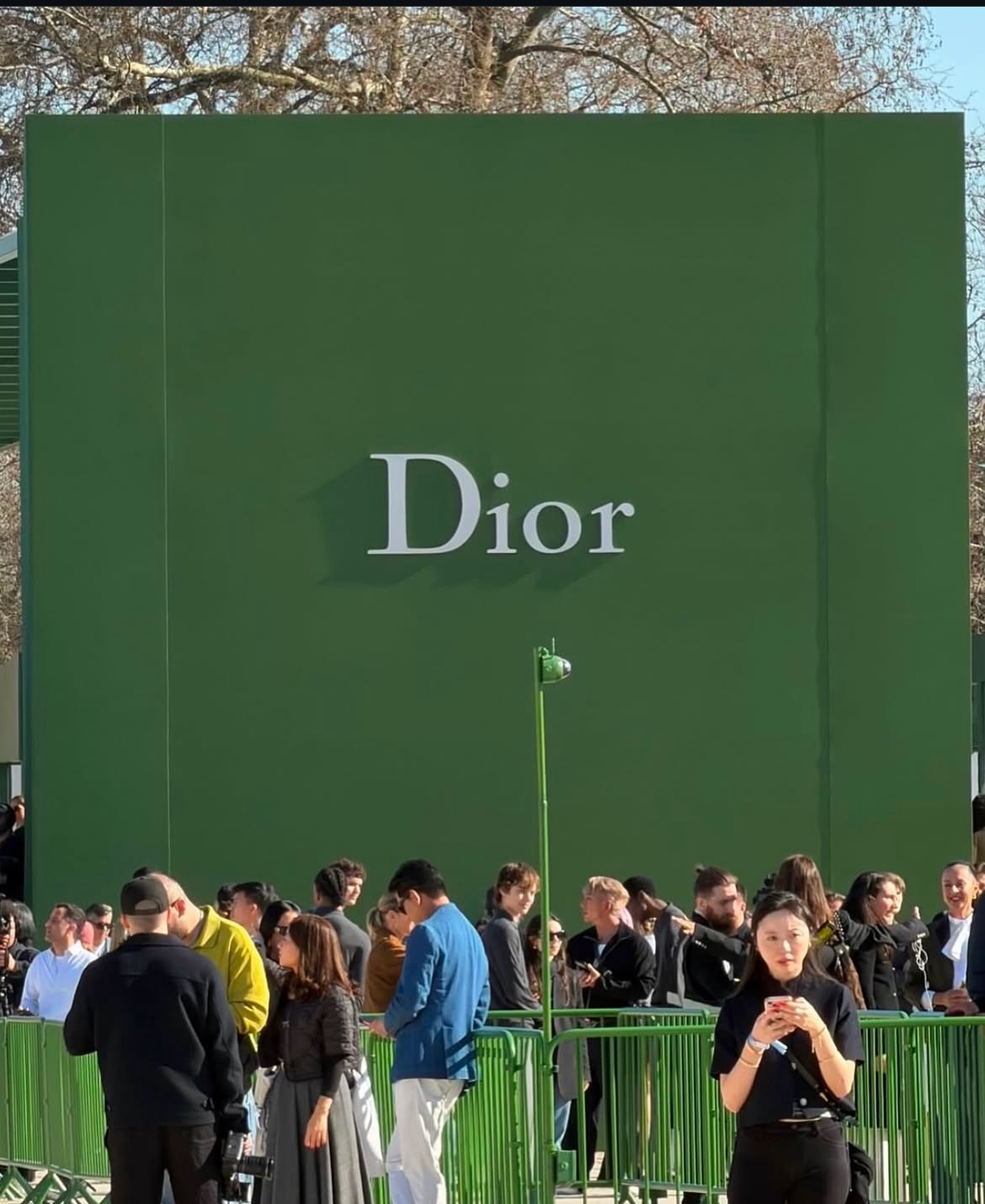
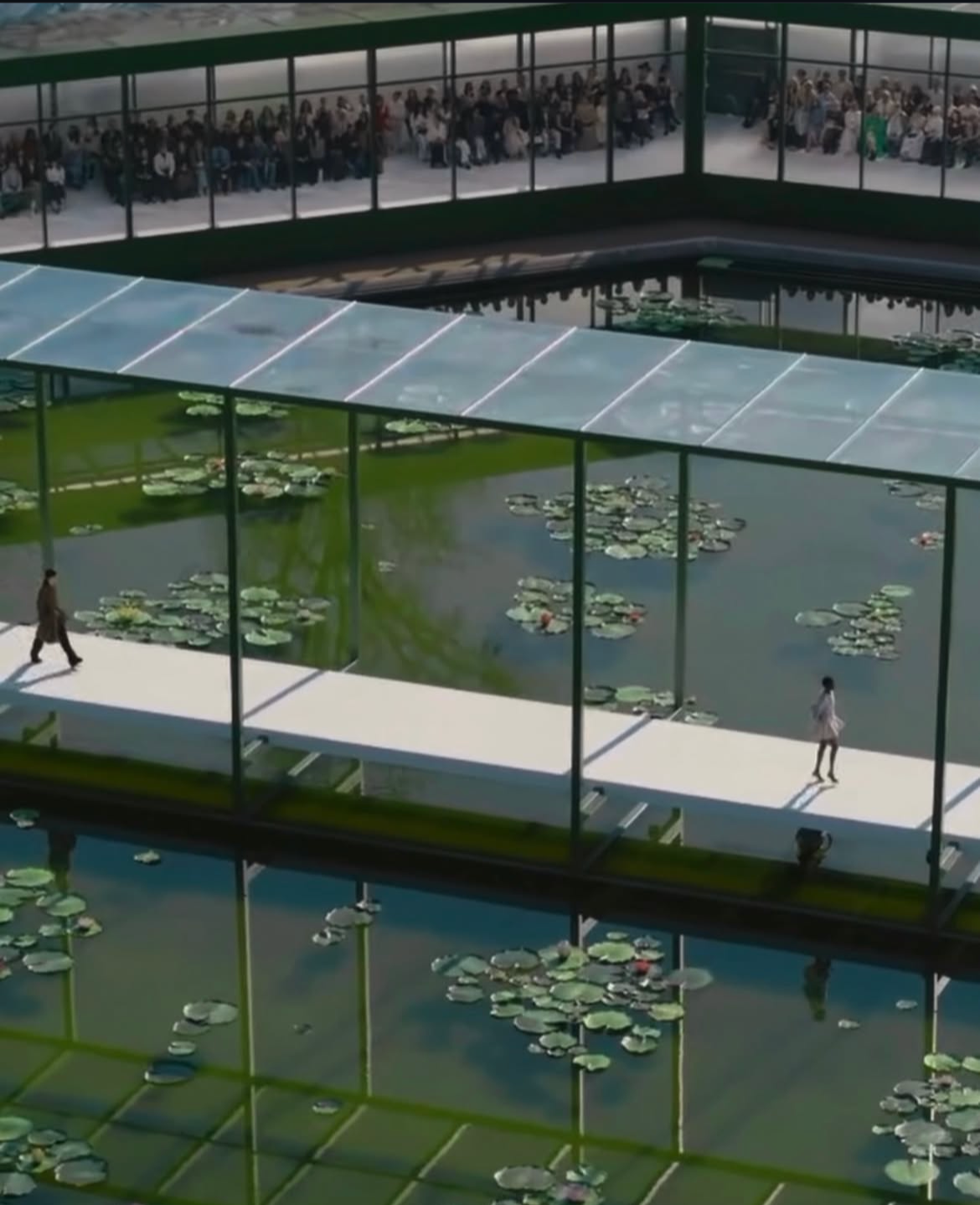
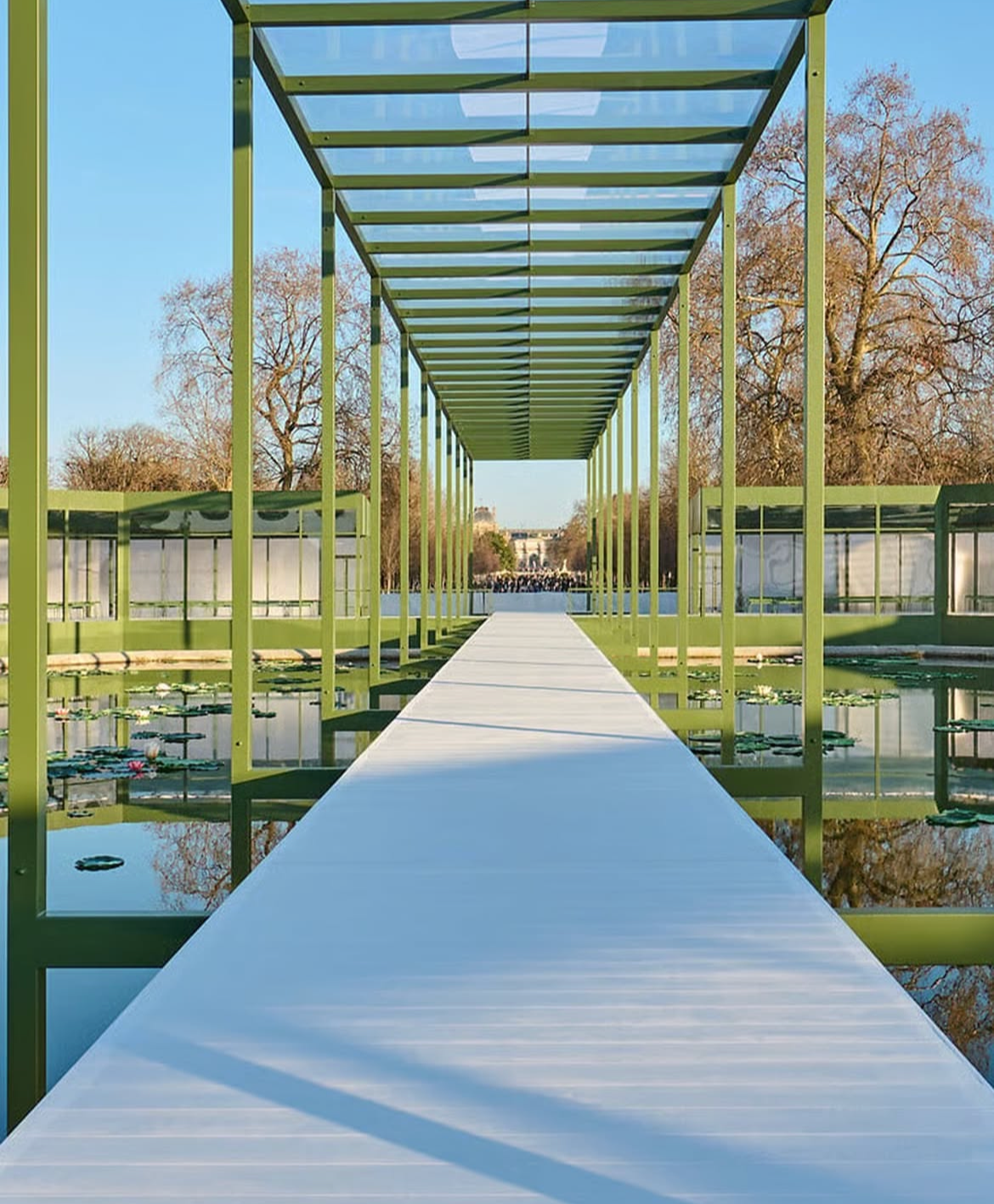
Also worth noting is the prevalence of green in the invitations and production design of the exhibition. The invitations were a clever little nod to a Parisian monument: the olive green park chair. Scaled down to a doll-sized version, this invitation is typical of Anderson’s uncanny playfulness. The runway was surrounded by an olive metal cage at the Jardin des Tuileries and suspended over lily pads and water lilies that would make Monet swoon. The curation of the show is best described as whimsical, textural, and, needless to say, green.
Mr. Anderson’s addition of natural green tones is an apt evolution for Dior; it takes the spirit of the gray gravel from Christian Dior’s youth and parallels it with the lush fields of Anderson’s. One with a sharp eye might note that the Dior Instagram profile has been swapped out for an olive green one. Color and symbolism have intersected at Dior long before Anderson’s arrival, but he is able to skillfully honor the iconography and heritage at Dior while introducing his own personal set of imagery. As far as the future of the brand is concerned, it’s too early into Anderson’s creative directorship to determine whether this color choice will have long-term significance or if it will simply mark the first few collections in Anderson’s tenure. Regardless, one thing is certain. An evolution of Dior is taking place.